Tel: +86-21-60530355
Mobile: +8615214379688
E-mail: sales@beallindustry.com
Address: No.1088 XinJinQiao Road, PuDong, Shanghai, China


The Best Stainless Steel Tube Pipe Manufacture
Beall Industry Group Co., Limited is the leading manufacturer and supplier of stainless steel, duplex stainless and super nickle alloy materials with more than 25 years experience of supplying to a great variety of end users from different fields. Beall Industry Group, establlished in 1992, now covers a total landing area 520,000 square meters and nearly 500 employees.
Quality control
In the processing of production, our professional technical engineers inspect the processing to ensure the quality of products,After our machine finish , our engineer will make 24 hours test constantly and ensure the machine reach to the best performance.
One-stop Solution
With rich experience and one-to-one service,we can help you choose products and answer technical questions.
Make it personal
When you work with us, you can count on personalized, one-on-one service every step of the way.
World-wide expertise
We know international markets and trends. Our expertise, experience and network cover all corners of the world.
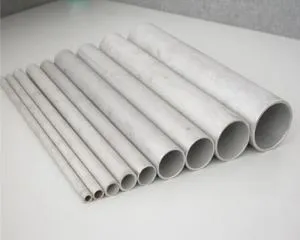
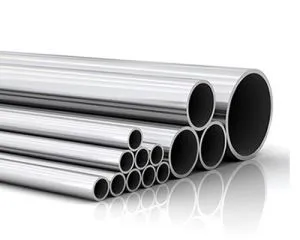
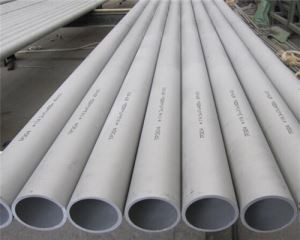
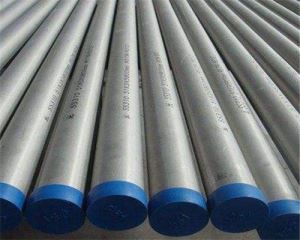
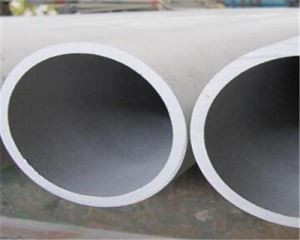
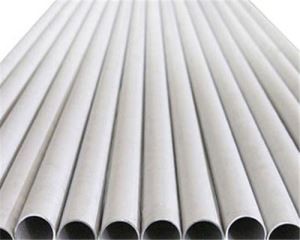
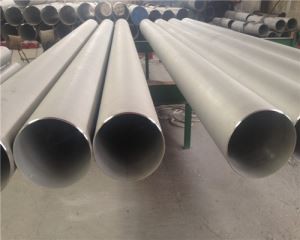
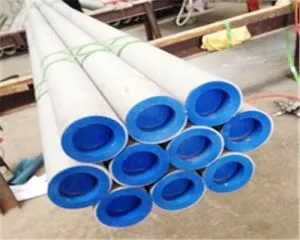
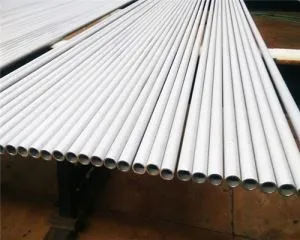
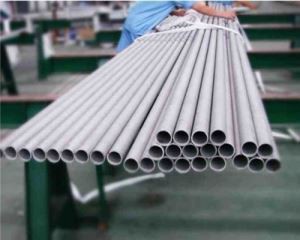
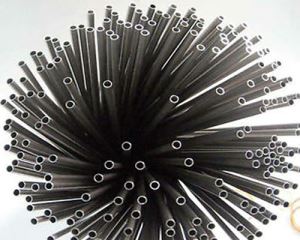
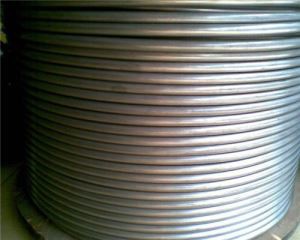
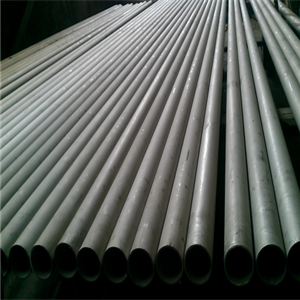
A stainless steel pipe is a long stainless steel tube used to transport water, gas, oil, or other materials. Because of stainless steel's strong corrosion resistance, it is employed in applications involving high temperatures, corrosive fluids, and high contaminant levels.
Corrosion Resistance
Stainless steel pipes and tubes are highly resistant to corrosion, which makes them suitable for use in harsh environments.
01
Durability
Stainless steel pipes and tubes are very durable, which makes them suitable for use in applications that require high strength and wear resistance.
02
Aesthetic Appeal
Stainless steel pipes and tubes have smooth and shiny surfaces, which makes them ideal for use in decorative applications.
03
Easy to Clean
Stainless steel pipes and tubes are easy to clean, which makes them suitable for use in applications that require high hygiene standards, such as food and beverage and pharmaceuticals.
04
High-Temperature Resistance
Stainless steel pipes and tubes have high-temperature resistance, which makes them suitable for use in applications that involve high temperatures, such as heat exchangers.
05
Basic Pipes: The most popular and widely used form of stainless steel pipe on the market are standard stainless steel pipes. Because it offers great resistance to weather, chemicals, and corrosion, stainless steel 304 and 316 are used for applications in typical contexts in houses, buildings, etc. for ornamental purposes. SS304 and SS316 are not recommended for use in high-temperature industries (between 400°C and 800°C), but SS304L and SS316L are preferred and used instead.
Hydraulic Line Pipe: Small-diameter gasoline lines and hydraulic systems both employ this type of Pipe. These Pipes are incredibly strong and corrosion-resistant since they are composed of stainless steel in the 304L or 304 versions.
Aircraft Stainless Steel Pipes: Stainless Steel Pipes made of nickel and chromium are utilized in all aircraft applications because it is both heat- and corrosion-resistant. Stainless Steel with low carbon is preferred for welded stainless steel Pipes and components. Aerospace structural material produced following Aerospace Material Specifications (AMS) or Military Specifications is utilized for applications requiring both seamless and welded pipes.
Pressure Stainless Steel Pipes: Pressure stainless pipes are designed to withstand intense pressure and heat. They can be welded to specific specifications and have a large diameter. These pipes are constructed from an austenitic and ferritic type of steel, also known as a nickel-chromium alloy or solid chromium.
Mechanical Pipe: Stainless Steel Mechanical Pipes are utilized in bearing and cylinder applications. For applications requiring mechanical pipes, grades ASTMA511 and A554 are typically used. These mechanical piping are available in a variety of shapes, including square, rectangle, and circular, and can be produced to order.
LNG
Stainless steel pipes are the most reliable source used for supplying natural gas, so they could safely reach the desired destinations.
Nuclear Power
It is used for nuclear power because it can resist hot temperatures. It not only provides safety but sustenance too.
Kitchen areas
Kitchenwares, kitchen fittings use stainless steel as it does not cause rust and. It also has antibacterial properties which make it best suited for kitchen areas.
Water supply system
Stainless Steel pipes are used for water supply because it has great strength and does not need a high level of maintenance. It also offers a great pressure potential which is the most important factor to consider in this area.
Chemical factories
Harmful chemicals are used in the factories which could be problematic for everyone. These pipes can withstand such harmful chemicals due to their corrosion-resistant properties.
Aircraft hydraulic lifts
Due to the low risk of leakage and long-lasting property, these pipes are used in hydraulic lifts. It would never discharge into the oil and offers great strength. This is why stainless steel pipes are preferred over any other pipes.
Austenitic Stainless Steel Pipe: Stainless steel pipe is available in different austenitic grades including 303, 304, 310, 316 and 321 that vary in chemical composition and properties. These grades are most common grades that has higher amount of nickel, molybdenum and chromium content. These versatile grades offer exceptional malleability, tensile strength and anti-corrosiveness features. These austenitic grades of Stainless steel pipe offer exceptional creep resistance and resistance to pitting, and crevice corrosion. These stainless steel grades, 304, 316, 321 are further classified according to the carbon content. Stainless Steel Pipe offer exceptional toughness at elevated as well as cryogenic temperatures.
Ferritic Stainless Steel Pipe: This grade pipe is one of the most economical due to its less nickel content. Ferritic grades contain molybdenum, chromium, titanium, niobium and other elements that offer excellent creep resistance and toughness even in aggressive environments. Most of these Stainless Steel Pipe grades are magnetic and offer excellent weldablity. Ferritic grades of Stainless steel pipe include 430 and 410 grades that offer remarkable resistance to corrosion, oxidation and stress corrosion cracking.
Duplex Stainless Steel Pipe: These pipes have combines properties of austenitic and ferritic grades that make it stronger and one of the most widely used grades. Duplex Stainless Steel Pipe is lightweight and resistant to corrosion. Due to this feature, this pipe is suitable for marine applications. Stainless steel Pipe offer excellent tensile strength, and easy formability features. Duplex stainless steel grades include 2304, 255, 2205, and super duplex 2507 etc.
Martensitic & Precipitation Hardening Stainless Steel Pipe: This pipe is similar to ferritic but has elevated carbon content. Stainless steel pipe with martensitic grade are used in applications that require hardened edge. Due to excellent hardening and tempering features this grade is used in medical instruments. Stainless steel Pipe is available in grades like 410 and 420.
Method one, saw guide combined with portable band saw
The portable band saw cutter must be sturdy, have sufficient power. The saw guide helps eliminate the vibration when cutting stainless pipe. Constant feeds are most important to prevent the tool from riding on the stainless pipe.
Method two, orbital pipe saw
For cutting and beveling stainless pipes, orbital pipe saw is another good choice. The saw blades rotate at high speed, are small, inexpensive and available in different versions for different materials and wall thicknesses.
The cutting is executed by manually rotating the machine housing 360 degree around the pipe and then, with a circular toothed blade driven by 1600 watt motor, the pipe is cut with one single rotation. The cutting action takes seconds, and cut-off is straight and clean
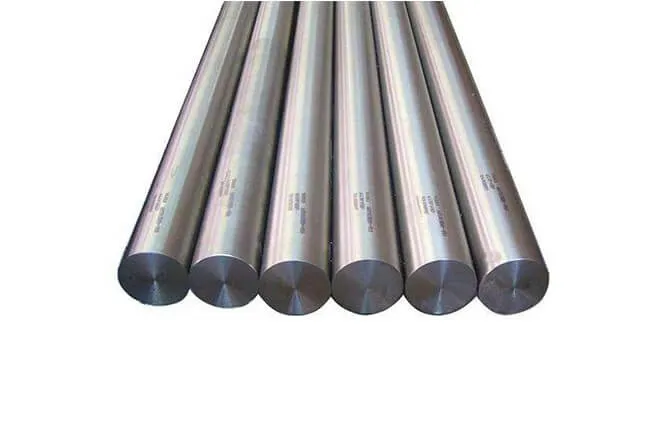
Manufacturing Stainless Steel Tubes: From Raw Materials to Quality Control
Raw Material Selection and Molding
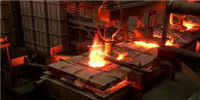
The production of stainless steel tubes begins with the selection of high-quality raw materials, primarily nickel, chromium, and iron, which are carefully blended to achieve the desired chemical composition. The raw materials are then melted in large furnaces and poured into molds, where they solidify and are transformed into rough billets.
Rolling and Shaping Processes
These billets are then subject to a series of rolling and shaping processes, where they are gradually transformed into long, thin tubes with precise dimensions and a uniform wall thickness. This process requires great attention, as even small variations can result in defects or inconsistencies in the final product.
Finishing Processes
Once the tubes have been shaped and rolled to the desired dimensions, they go through a series of finishing processes, including cutting, polishing, and heat treatment. These processes help to remove any surface defects or imperfections and ensure that the tubes meet the appropriate standards for surface finish, straightness, and roundness.
Quality Control
Throughout the manufacturing process, the tubes are carefully inspected to ensure they meet the appropriate quality control standards. This involves a combination of visual inspection, dimensional inspections, hardness tests, non-destructive testing, and physical testing to ensure that the tubes are free from defects and meet the required specifications for mechanical strength, corrosion resistance, and other important properties.
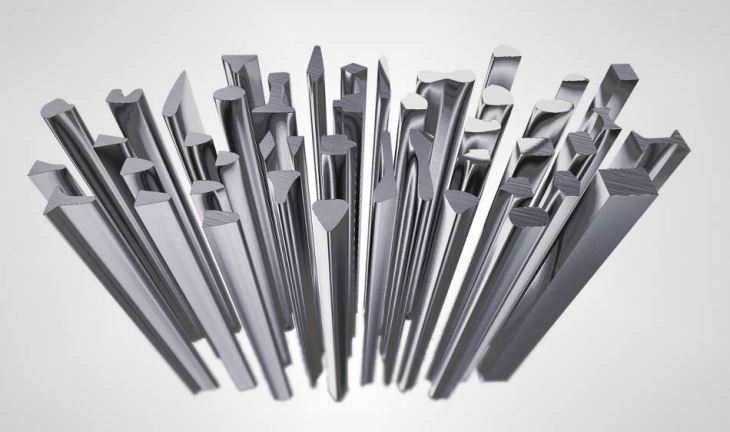
Tube is specified by its OD and wall thickness. OD is Outside Diameter.
A pipe on the other hand is specified by its nominal bore and gage.
There are different specifications to which tubes and pipes are produced.
Length is usually specified by the end user / customer - specific lengths or variable length with minimum and maximum limits.
Lot size is also specified by the relevant specification.
Tubes and pipes are usually marked at one or both ends or marked at more places along the length so that the end user knows the grade, heat number, lot number, OD, thickness and the specification to which it is produced, the manufacturer etc.
Regular Inspections For Corrosion
Check your stainless steel pipes and tubes regularly for signs of rust or damage. Look for discoloration, rust spots, or small holes. Finding problems early can help you fix them before they get worse.
Effective Cleaning Techniques For Longevity
Keep your pipes and tubes clean. Use mild soap and water to wash away dirt and grime. Don't use harsh chemicals or abrasive scrubbers, as they can scratch the surface and make it easier for rust to form.
Protective Coatings To Resist Corrosion
Consider applying a protective coating to your pipes and tubes. These coatings can help keep moisture and chemicals away from the metal, reducing the chance of rust.
Monitoring Temperature And Pressure Levels
Make sure your pipes and tubes are not exposed to extreme temperatures or pressures. High heat and pressure can cause the metal to weaken and crack. Use gauges to monitor these levels and make adjustments as needed.
Proper Installation Practices For Durability
Ensure your pipes and tubes are installed correctly. Use proper welding techniques and high-quality fittings to prevent leaks and cracks. Proper installation can make your pipes last longer and work better.
Application requirements
You need to have a clear understanding of your application requirements. Different applications may require different types and sizes of stainless steel pipes. If it is a high-pressure and high-temperature environment, seamless pipes are usually a good choice. If it is a general transportation, welded pipes may be more suitable.
Space limitations
It is also important to consider the space limitations of your project. Ensure that the selected pipe size is suitable for your installation and layout requirements.
Budget
Budget is another key factor in selecting the size of stainless steel pipes. Generally speaking, pipelines with large diameters and wall thicknesses are more expensive. When choosing pipeline size, it is necessary to balance performance and cost.
Compatibility
Ensure that the selected pipe size is compatible with other pipes and fittings. This helps to avoid subsequent installation issues and maintenance difficulties.
The size of stainless steel pipes is an important factor in ensuring pipeline performance and adaptability. Understanding different types of stainless steel pipes and size standards is the first step in selecting the appropriate size. When making a choice, it is crucial to consider factors such as application requirements, space limitations, budget, and compatibility. Choosing the appropriate stainless steel pipe size in the project will help improve efficiency, reduce costs, and ensure long-term reliability.
In order to ensure that the size of the stainless steel pipe you choose meets the standards and quality requirements, it is recommended to cooperate with a reliable supplier. They can usually provide professional advice to help you choose the most suitable pipe size for your needs and ensure that the product meets the required standards.
To carry out routine cleaning of stainless steel tubes, you can clean them with soap, mild detergent, or ammonia solutions in warm water. You can apply any of these agents with a soft cloth or nylon sponge. After this, you need to rinse and dry it with a soft cloth. It helps to remove ordinary soiling. While cleaning stainless steel, use mild non-scratching abrasive powders, and avoid using standard carbon steel brushes or steel wool. It can leave articles embedded on the surface, which can trigger rusting.
You can use organic solvents to remove stains that are fresh and have not yet oxidized or decomposed. The solvent should not contain chlorine, like acetone, methyl alcohol, and mineral spirits. You can immerse smaller articles into the solvents or use the vapor cleaning method to control the discharge of solvents. Wipe it post-cleaning.
You can use a mild abrasive cleaner for moderate soiling and light staining and use a soft cloth, nylon scouring pad, or a soft bristle brush. In the direction of the polished finish, use the material to make long, even strokes. You need to avoid using a circular rubbing action. After you clean it, you need to rinse and dry-wipe to complete the process and remove water stains.
For more intense staining and heavy soiling, you can use ammonia solution or warm/hot detergents. You can also use acidic cleaners and follow the cleaning procedures mentioned for moderate soiling.
To maximize the corrosion resistance capability of stainless steel and remove surface contaminants, you can use the passivation treatment. You need to clean the stainless steel surface thoroughly and remove the pollutants.you need to enter the metal in a passivating acid bath. Depending on the chromium content and the machinability properties of the stainless steel grade, the nature of the passivation treatment will vary.
Beall Industry Group, who is famous for the material smelting and processing services in China stainless steel industry now have 3 plants locate in Jiangsu Province and Zhejiang Province, one domestic sales center in Jiangsu and one international sales office in Shanghai.