Tel: +86-21-60530355
Mobile: +8615214379688
E-mail: sales@beallindustry.com
Address: No.1088 XinJinQiao Road, PuDong, Shanghai, China


Company Profile
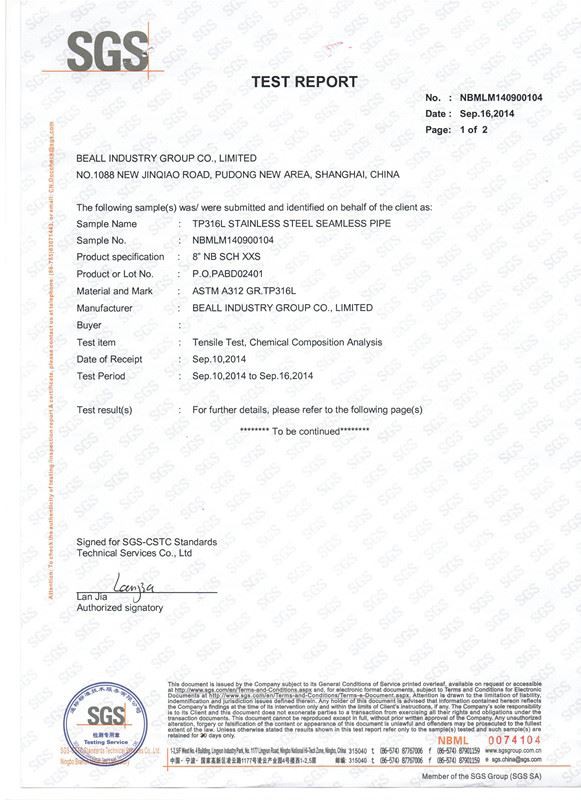
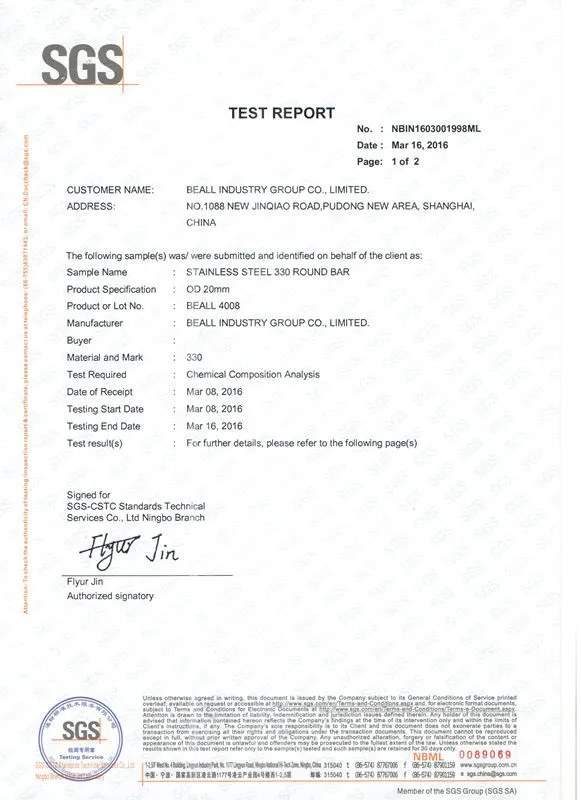
Beall Industry Group Co.,Limited is the leading manufacturer and supplier of stainless steel, duplex stainless and super nickle alloy materials with more than 25 years experience of supplying to a great variety of end users from different fields. Beall Industry Group, establlished in 1992, now covers a total landing area 520,000 square meters and nearly 500 employees.
Rich experience
We are the leading manufacturer and supplier of stainless steel and super nickle alloy materials with more than 25 years experience of supplying to a great variety of end users from different fields.
Advanced equipment
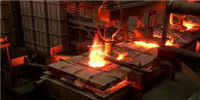
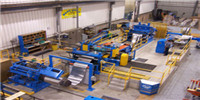
Now the production plants of company covers 4 production lines of smelting, with well equiped processing platforms including shearing, cutting, surface finishing, forming, welding and maching.
Good service
With close collaboration between our experienced production, processing and professional international sales team, company promises customers reliable quality, on time delivery, professional service before and after sales.
Competitive price
Company does its best to help customers save cost, enhance competitiveness, make profit.
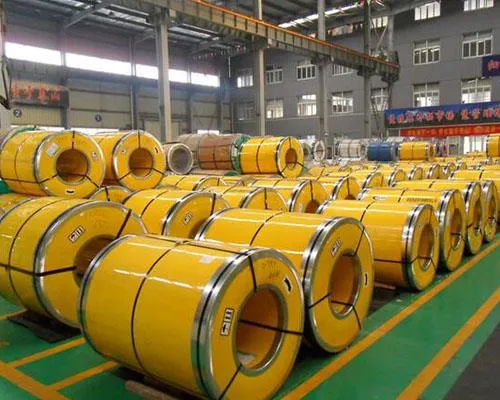
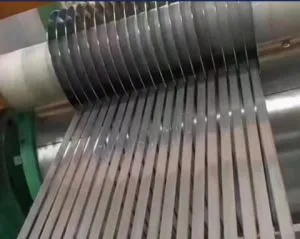
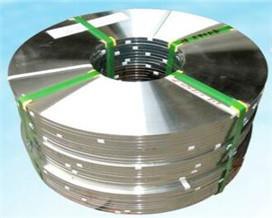
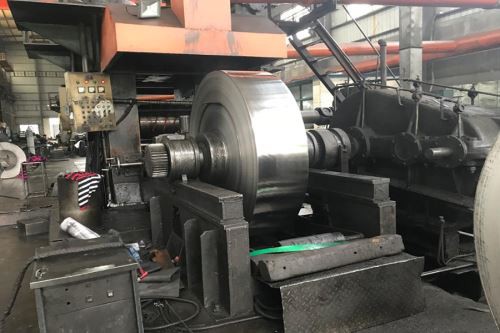
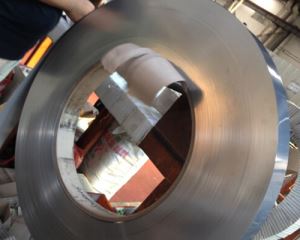
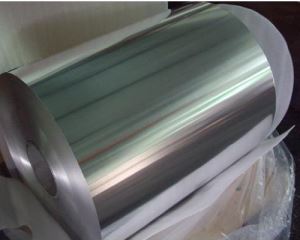
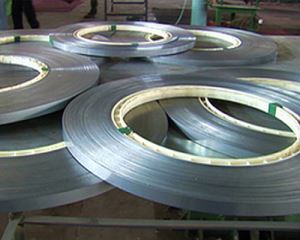
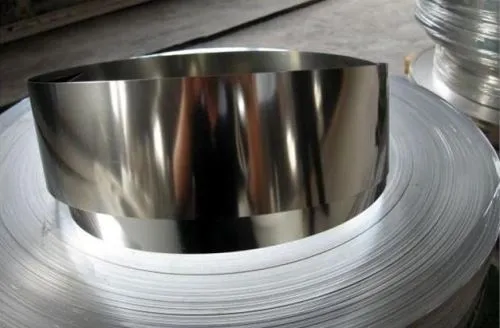
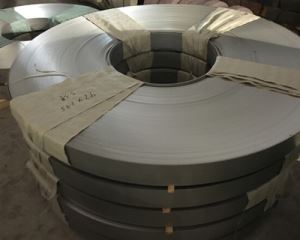
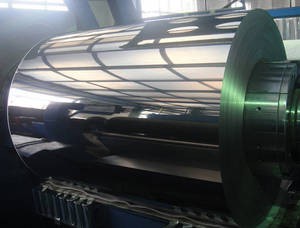
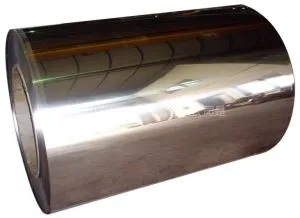
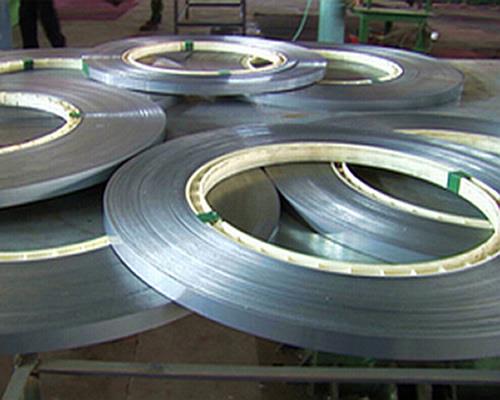
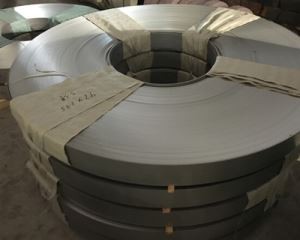
Coil strips refer to long, coiled rolls of material, often metal, that are flattened into thinner strips. These strips are characterized by their continuous length and can vary in width and thickness, depending on the specific manufacturing requirements.
Corrosion resistance: Stainless steel strips are predominantly composed of chromium, providing excellent resistance to rust and corrosion. This property is particularly advantageous in environments exposed to moisture, chemicals, and extreme temperatures. It ensures durability and a long lifespan of the products made from stainless steel strips.
Strength and toughness: Stainless steel strips possess superior strength and toughness, making them highly resistant to bending, breaking, and deformation. This quality is vital in applications that require long-term structural stability and resistance to heavy loads.
Easy formability: Due to their exceptional ductility, stainless steel strips can be easily formed, shaped, and fabricated into custom designs to suit various requirements. This flexibility makes them an ideal choice for applications that demand intricate designs or specific dimensions.
Aesthetic appeal: Aside from functionality, stainless steel strips add an elegant touch to any product or structure they are used in. Their smooth, polished surface enhances the visual appeal, making them a preferred choice for architectural designs, kitchen décor, and high-end appliances.
Maintenance: Stainless steel strips require minimal maintenance, which is a significant advantage in terms of cost and effort. Regular cleaning and occasional polishing are usually enough to keep them looking new and highly resistant to stains, fingerprints, and other contaminants.
Steel strips
Steel strips are also known as cold rolled strips and are made from a pickled hot-rolled strip. The coil gets reduced by a cold roll steel mill, in a tandem mill, or a reversing mill and then reduced to the final thickness. Since these are alloys of iron and carbon, you can also call them carbon steel strips.
The final product is basically steel cut into strips of specified widths and later coiled for delivery and then usage.
Tempered steel strips
Tempered steel is steel that has been treated with heat below the melting point, at about 2,500 fahrenheit and then cooled. This is how there is an increase in the strength, roughness and hardness of the steel. This is because there is bound to be a change in the physical properties of steel when it gets heated and then cooled.
The tempering of the metal will also determine how much of the hardness is removed from the meal, and this is determined by how high the temperatures are. This metal is durable, ductile, resistant to wear and tear and also has higher machinability.
Hardened steel strips
Tempering is much like hardening, and they are often associated together. Hardening happens when plain carbon steel undergoes heat treatment, gets cooled, and then is reheated further. This means that the products have a hard casing on the exterior, and the core is robust. This is a type of metal that is used in general mechanical engineering.
Hardened steel is used because of how strong it is. It is also highly corrosion-resistant, abrasion-resistant, resistant to wear and is very durable. One of the tests of hardened steel involves rubbing a file across the metal. If the metal is hardened, the file will bounce off with no damage, thereby demonstrating how strong it is.
Annealed steel strips
Annealing steel refers to heating it to a very specific temperature and then allowing it to cool down at a very controlled rate. This process reduces hardness, increases ductility and also removes impurities.
This is a process that is used in industrial applications where the requirement is that the metal should be of the highest quality. It was a process seen in the making of katanas, but today, the process has been enhanced with machinery and the durability is seen in various industrial metals.
Construction
Like many other metal materials, steel coils are also popular in the construction industry. They’re used as materials for roofing sheets. building panels, pipes, walls, reinforcing bars (rebars), and structural components like beams, columns, and trusses.
For roofing sheets, walls, and building panels, the steel coils are unrolled and flattened into sheets before being cut into the desired size and shape. As for pipes, rebars, and other structural components, the coils are unrolled, cut to length, and then welded or rolled into cylindrical shapes before being cut to the desired lengths.
Automotive
Steel coils can also be commonly used when producing various automotive components. These include car body parts, chassis components, and even exhaust pipes.
The steel is unrolled, cut to size, and then stamped into shape with specialized machinery to produce doors, hoods, and fenders. It can also undergo stamping and welding to form chassis or engine components, or welding and bending to make exhaust system pipes.
Packaging
While steel coils are most often unrolled, cut to size, stamped, and welded to produce metal cans, this is not the only way they are used in the packaging industry.
Foil packaging is another product that comes from steel coils after the sheets pass through a series of rollers to reduce their thickness and increase their length, and a layer of aluminum is applied to provide protection against the elements.
Another application is steel drums that are used for the storage and transportation of liquids and powders. Formed in a similar way to metal cans, the resulting drums are coated with a layer of paint or other protective coatings to prevent corrosion.
Finally, steel coils are also used to produce steel straps that secure packages and pallets during the transportation of goods. The steel goes through a combination of stamping and heat-treating to achieve the desired shape and flexibility.
Consumer goods
Quite a number of things you find in stores are actually made of steel coils. These include appliances like refrigerators, washing machines, and ovens, furniture like desks, chairs, and shelving, tools like hammers, wrenches, and saws, sports equipment like golf clubs, tennis rackets, and bicycles, and various kinds of hardware like nails, screws, and bolts. For all of these, the coils are unrolled and flattened before going through a combination of processes including forging, welding, stamping, and heat-treating.
Machinery
Many machine parts are made out of steel coils, like frames, bearings and shafts, gears, springs, and engine components. The benefit of steel coils in the machinery industry is how flexible they are—because they can be shaped into a variety of forms, there are so many standard and customizable machine parts they can be formed into.
Energy and electrical equipment
Steel coils are used in the construction of wind turbines and transmission lines for the electrical power industry. They are also used in the production of pipelines, boiler tubes, pressure vessels, and solar panels. Their strength and durability are key in ensuring that the products formed from steel coils are long-lasting and reliable.
Steel coils are also used to produce transformers, various types of motors, generators, electromagnets, and electrical cabinets.
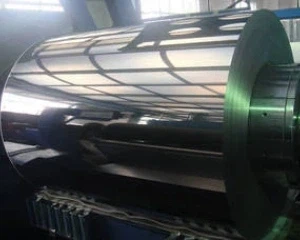
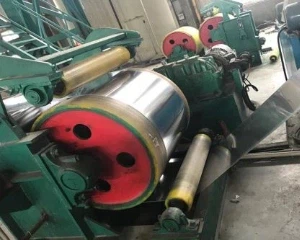
●Coil reel/uncoiler. The process starts with the uncoiling of material from a coil reel. The coil is loaded either directly onto the mandrel, which is a rotating spindle the coil is placed on for unwinding, or onto a mandrel.
Coil reel machines come in two versions—an unpowered pull-off, or a motorized version. Pull-off reels usually have only a short, fixed-speed threading drive and rely on a power straightener. Alternatively, they can have a set of pinch rolls that pull the material off the coil during an automatic operation. Powered reels are motorized with a loop control for payoff into a slack loop and are generally used in applications that don’t require straightening, although they also can be used with a pull-through straightener powered by a feeder at the press. Either style of reel can handle a variety of coil widths and weights.
●Containing the coil. Coiled metal stores energy, similar to how a spring does, so it must be contained during storage with retaining bands. Before removing these metal bands, some other means of coil containment must be in place to prevent clock-springing from occurring. Most coil reels are equipped with hold-down or hold-up arms that contain the outer diameter of the material while the operator removes the retaining bands.
Coil keepers are another device used to contain the coil. They prevent the coil from telescoping. This occurs when the outer coil shifts out of line with the inner coil.
●Straightening. The next step of the process is flattening the metal using a straightener. The steel- and aluminum-making processes inherently impart tensions and stresses into the coil. These create slight variations within the coil called crossbow, set, edge wave, buckle, camber, and twist. Typically, the purpose of a straightener in a coil feed line is to prepare the material so that it can pass freely through the die and produce an acceptable part. Straightening is executed by bending the strip around sets of rollers that stretch and compress the upper and lower surfaces alternately. By doing this, they exceed the coil’s yield point so that both surfaces end up the same length after springback, which results in flat material.
Straighteners typically are available in models with seven to 11 work rolls. The roll diameters and center distances vary, depending on material thickness and width. Generally, they are equipped with fairly large-diameter, widely spaced rollers.
The growing use of advanced high-strength steels (AHSS) has required changes to straightener designs to effectively flatten these high-tensile materials.
Processing AHSS materials correctly demands a higher number of small rollers with closer spacing than are needed for conventional steels or aluminum. This roll configuration enables the material to be stretched and compressed more effectively. However, the smaller radii and closer spacing require that the straightener be built with stronger construction materials and greater depth penetration into the material.
●Feeding. Once the material is straightened, it is fed to the roll feed which delivers the material in precise lengths to a stamping press or shear. Roll feeds are driven by servomotors that allow for precise control of angular position, velocity, and acceleration. The feed must not only move the proper amount of material into the tool, it must position the material correctly into the die—front to back, side to side, and square with the tool. If the material is not positioned correctly, the result is slippage.
●The pilot release. One of the most important aspects of running a press feed operation is making sure that the pilot release is properly adjusted. Pilot release is the act of momentarily releasing the strip to allow it to be aligned by pilot pins in a progressive or blanking die. It gives stampers the ability to position their part on a strip in a consistent manner. The pilot pins in the die will correct slight misfeeds by pulling the material into final position for forming or blanking. This momentary release helps to relieve built-up stress and binding of the strip through the feed and die caused by misalignment or camber. In addition, it prevents the coil strip from walking as it moves through the die.
Regular cleaning
Regular cleaning of stainless steel coils to remove dust, dirt and other pollutants on the surface can maintain the beauty and corrosion resistance of the surface.
01
Prevent collisions
During transportation and use, stainless steel coils should be careful to avoid mechanical damage such as collisions and scratches to maintain the smoothness and integrity of their surfaces.
02
Prevent chemical corrosion
During use, contact with chemicals such as acids and alkalis should be avoided to avoid chemical corrosion on the surface of the steel coil.
03
Apply protective agent regularly
Applying a layer of protective agent on the surface of stainless steel coils can effectively prevent corrosion and pollution on the surface and extend its service life.
04
Regular inspection and maintenance
Regularly check the corrosion and damage on the surface of the steel coil, and perform timely repair and replacement to avoid further damage.
05
Guide to Selection: Strip Versus Flat Wire
The following are factors you should know if you are considering flat wire:
●Width. Most wire mills cannot produce widths greater than .625 to .875 inch, depending on the alloy. This is because of the maximum “spreading” that can be achieved from wire rod that is anywhere from .217 to .562 inch in diameter. For anything wider, slit strip usually is the better option.
●Thickness. A strip mill can roll foil gauges down to .001 inch. The limit on the wire mill is .008 inch.
●Tolerances. Strip will provide tighter gauge tolerances up to about .050 inch, and flat wire has good gauge tolerances above .050 inch. The tightest tolerances that can be held with flat wire are: Thickness +/-.0005”, Width +/-.001”
●Continuous unwelded length. Compared to strip, flat wire is available in longer continuous lengths without welds. The welds are made to join coil to coil in early processing stages.
●Edges. Strip coming off a slitter will have a burr along both edges caused by the shearing action of the knives. The edges can be either rounded or squared-off to remove the burr. This can be done without tempering or work hardening the edge. However, it incurs an additional cost, and the operation can be time-consuming for large quantities. On a wire mill, rolling creates a smooth, uniform edge for the entire length.
●Width-to-thickness ratio. As the ratio between width and thickness narrows to 5 or 6 to 1 and below, it can become more difficult to maintain camber, flatness, and other shape parameters when slitting strip. On a wire mill, it is possible to get the ratio down to 1 to 1, which is a square cross section.
In most applications for which both processes are considered, the major issue is the burr created during slitting. If the condition of the edges is not important, slit strip may be the better choice. When it is a factor, the choice comes down to the cost of edging slit coil versus the cost of flat wire.
These cost factors are important in any selection, but they are even more critical with specialty grades of stainless steel and nickel and cobalt based alloys because of the higher cost of the materials.
Steel coil is a continuous, rolled-up sheet of steel, widely used in numerous industries. This form of steel is known for its adaptability and is a cornerstone in many growing industrial landscapes.
Characteristics
The production of steel coils involves rolling steel into thin sheets, which are then wound into coils. These coils can be produced using either hot rolling or cold rolling techniques. Hot-rolled steel coil is often used in construction projects where precision is not a primary concern, while cold-rolled steel coil is favoured for applications requiring exact dimensions and a smoother finish.
Applications
Steel coil is essential in construction projects, automotive manufacturing, and the production of household appliances. Its flexibility and durability make it an ideal material for various applications, particularly in regions like Northeast India where infrastructure development is rapidly advancing.
Steel strip, a narrower version of steel coil, is another vital form of steel, particularly useful in industries that require precise dimensions.
Characteristics
The primary distinction between steel strip and steel coil lies in their width. Steel strips are narrower, making them suitable for applications requiring more precise measurements. This precision is especially important in the automotive industry, where components like springs, clamps, and various fasteners are made from steel strips.
Applications
Beyond automotive uses, steel strips are also employed in the electronics industry, roll forming industries. The strips are essential in producing tools and hardware, where precise dimensions are critical. Additionally, the packaging industry relies on steel strips for creating strong, durable packaging materials.
Steel sheet is a flat, rectangular piece of steel, and it plays a foundational role in various industries. Its application is particularly noteworthy given unique geographical and economic challenges in certain regions.
Characteristics
Steel sheets are produced by rolling steel into flat plates, which are then cut into rectangular shapes. The thickness of steel sheets can vary, offering flexibility in different applications. Steel sheets are indispensable in construction, automotive manufacturing, and appliance production. The flatness and wide surface area of steel sheets make them easy to work with, especially in large-scale projects.
Applications
Steel sheets are crucial in building bridges, roads, homes, and commercial buildings, steel furnitures, false ceiling sections, etc. Additionally, the use of galvanized steel sheets, which offer corrosion resistance, is growing in sectors where hygiene and longevity are paramount.
Beall Industry Group Co.,Limited is the leading manufacturer and supplier of stainless steel, duplex stainless and super nickle alloy materials with more than 25 years experience of supplying to a great variety of end users from different fields. Beall Industry Group, establlished in 1992, now covers a total landing area 520,000 square meters and nearly 500 employees.